Latest study on recognition and enforcement of Russian judgments abroad by ALRUD
18 February 2026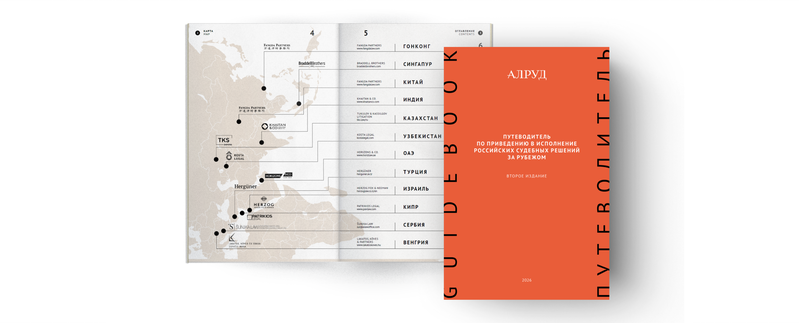
Alrud presents an updated version of the first comprehensive study on the Russian market focusing on the recognition and enforcement of Russian judgments abroad. The three new jurisdictions found through survey to have inspired the greatest interest among the professional community have been included in the updated edition: Hungary, Serbia and Uzbekistan. In addition, study on the countries analyzed back in February 2025 has been updated and supplemented.
The updated edition features the following key points:
- The geographic coverage of the analysis has been expanded by request from Russian businesses. The relevant chapters on Serbia, Uzbekistan and Hungary assess the prospects for the recognition of Russian judgments, including those on sanctions, and highlight the foremost problems that applicants may encounter.
- The Guide provides a detailed study of the approaches taken by Chinese courts to the service of parties, one of the most common grounds upon which recognition is dismissed.
- It analyzes one of the first relevant attempts to recognize a Russian judgment rendered under Article 248.1 of Russia’s Commercial Procedure Code in a dispute between a large Russian chemical company and a former Italian counterparty thereof in India.
- The chapter on Uzbekistan offers a detailed assessment of the prospects for the recognition of a Russian judgment on sanctions under current practice, as well as an analysis of the possible problems in recognizing a Russian judgment regarding a non-resident debtor in Uzbekistan.
- An extensive analysis of the practice of recognizing Russian judgments in Dubai has been conducted, including the Wintershall Dea case and its development over the past two years. Meanwnile, positive dynamics regarding the recognition of Dubai judgments in Russian judicial practice are apparent, which is important given the principle of reciprocity.
This analysis of prevailing legislation and current judicial practice was possible thanks to our colleagues from Cyprus (Patrikios Legal), Hungary (Lakatos, Köves & Partners), Hong Kong and China (Fangda Partners), Israel (Herzog Fox & Neeman), India (Khaitan & Co), Kazakhstan (Tukulov & Kassilgov Litigation), Serbia (Sunjka Law), Singapore (Braddell Brothers), Turkey (Hergüner), the UAE (Horizons & Co Law Firm), and Uzbekistan (Kosta Legal).
You can request the full version of the study in English by filling out the registration form below.